How to Use Galvo Mirror Laser for Precision Cutting and Engraving?
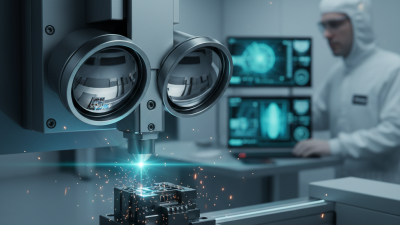
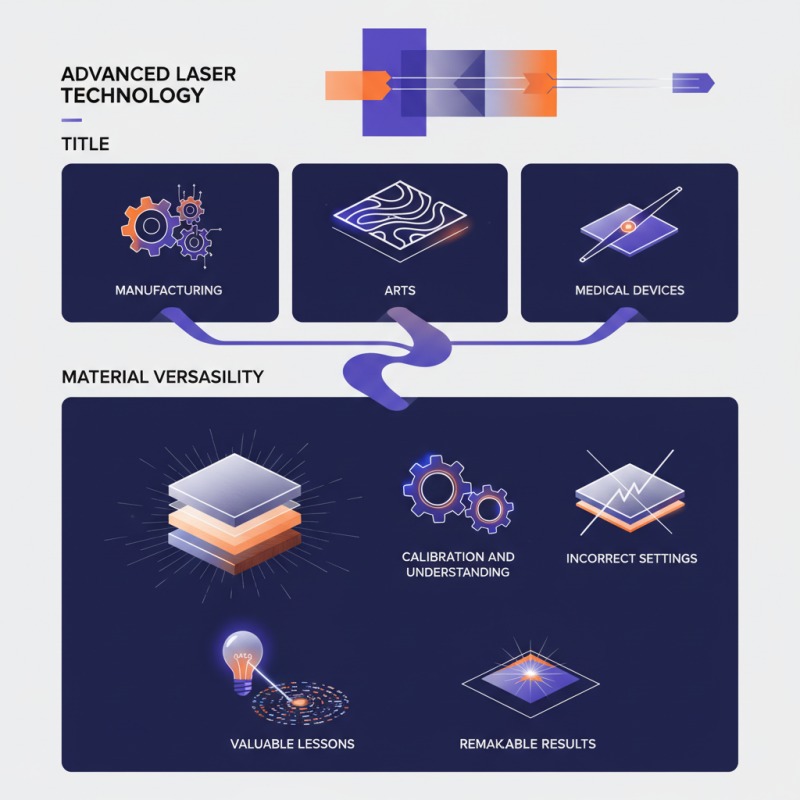
In the realm of precision cutting and engraving, the Galvo Mirror Laser stands out. This technology uses mirrors to direct laser beams swiftly and accurately. Its application is crucial in industries such as manufacturing, arts, and medical devices. John Smith, a leading expert in laser technology, once stated, "The Galvo Mirror Laser transforms ideas into tangible products with incredible speed."
The versatility of the Galvo Mirror Laser allows it to engage with various materials. From acrylic to metal, it creates intricate designs and precise cuts that traditional methods struggle to achieve. Yet, this innovation requires careful calibration and understanding of parameters to avoid mistakes. Each project presents unique challenges worth reflecting upon.
Despite its advantages, there are pitfalls to using a Galvo Mirror Laser. For instance, incorrect settings can lead to undercuts or burns on materials. Each user’s journey with this technology can offer valuable lessons. Embracing the complexities of precision work can lead to remarkable results when using the Galvo Mirror Laser.
Understanding Galvo Mirrors and Their Functionality in Laser Systems
Galvo mirrors, or galvanometer mirrors, play a crucial role in laser systems. These mirrors use precision motors to control the angle of reflection. This capability allows for rapid movement of the laser beam across different materials. With speeds exceeding 60,000 scans per second, they enable intricate designs and high-precision cuts.
The versatility of galvo mirrors is backed by data from industry reports. For instance, studies indicate that laser cutting with galvo systems can achieve accuracy levels of up to 50 microns. This level of precision is vital in fields like aerospace and medical device manufacturing. The ability to engrave detailed designs enhances product aesthetics and functionality significantly. However, challenges remain in managing heat input to prevent material distortion.
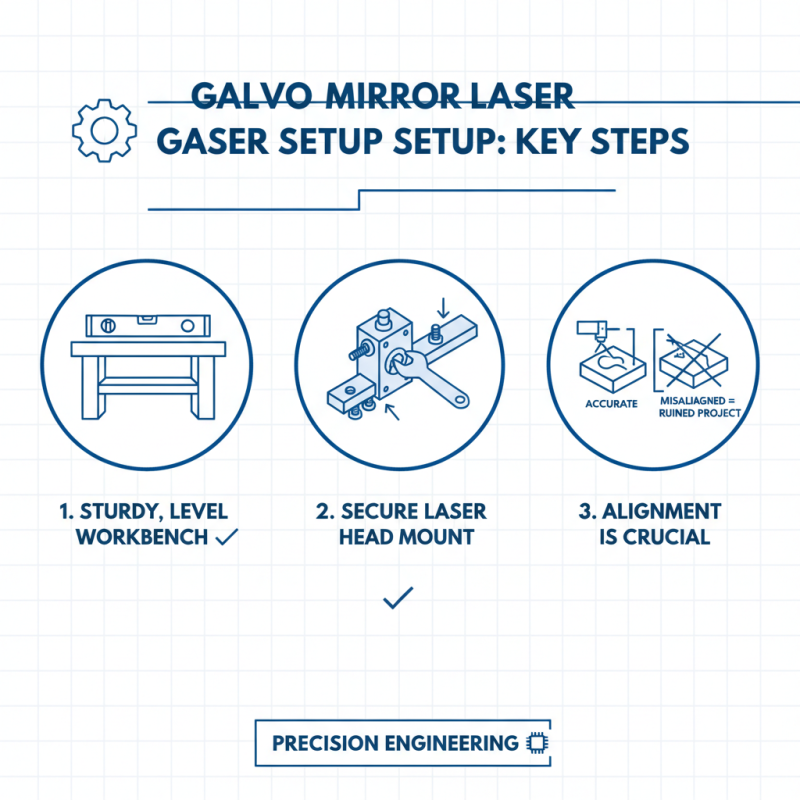
Understanding the functionality of galvo mirrors also highlights areas for improvement. While they excel in speed and precision, there is often a learning curve associated with their optimal use. Operators must balance speed with quality. Continuous training is essential to harness their full potential. Misalignment or calibration issues can lead to errors in engraving depth or cutting precision. Addressing these gaps is crucial for achieving the desired outcomes in production.
Galvo Mirror Laser Precision Cutting and Engraving Performance
Key Components of Galvo Mirror Laser Systems for Cutting and Engraving
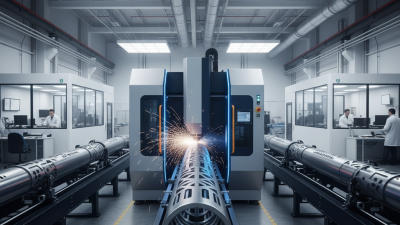
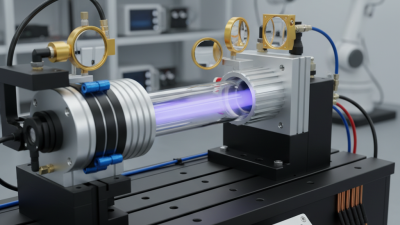
Galvo mirror laser systems represent a significant advancement in precision cutting and engraving. These systems use galvanometer-driven mirrors to direct laser beams with pinpoint accuracy. The core components include the laser source, galvanometers, and optical elements. Each plays a vital role in maximizing efficiency and precision. The laser source typically ranges from 10W to over 100W, which influences the material thickness it can effectively cut. For example, a 50W laser can cut through materials up to 5 mm thick.
The galvanometer mirrors are crucial for trajectory control. They can pivot quickly, allowing for rapid changes in the laser's path. This agility is vital in applications requiring precision, such as intricate engraving on metals. Moreover, advanced optical systems ensure that the laser beam remains focused regardless of the surface's contour. Reports indicate that laser cutting systems can achieve accuracy within 0.1 mm, making them suitable for high-precision industries like aerospace and medical devices.
However, using these systems does not come without challenges. Calibration is essential to maintain performance standards. Misalignment can lead to unwanted results, necessitating frequent adjustments. Additionally, operators must develop skills to optimize settings based on materials. Ignoring these factors can yield subpar cuts and engravings. Even with advanced technology, human factors remain significant in achieving optimal outcomes. Continuous training and assessment are vital for effective operations in laser cutting and engraving.
Techniques for Achieving High Precision in Engraving Applications
The use of Galvo mirror lasers revolutionizes precision cutting and engraving. For high-precision applications, understanding techniques is essential. These laser systems can achieve accuracy up to 0.01 mm, making them ideal for intricate designs.
One technique involves optimizing the focus point. Fine-tuning the lens position can minimize heat effects on materials. This ensures clean edges and reduces unwanted burns. Using varied power settings can also enhance results. A lower power level might suffice for engraving, while higher settings can cut through thicker materials. Experimentation is key.
Tips: Always run tests on sample materials. This helps in establishing the right settings. Additionally, maintaining the laser’s optics ensures consistent performance. Check mirrors regularly for dust or debris. Even slight obstructions can compromise precision.
In engraving, speed is another factor to consider. A faster speed may reduce detail, while too slow can lead to excess material removal. Balancing these variables requires practice and observation. Each material reacts differently. Adjust accordingly to maintain quality. Remember, not every attempt will be perfect. Learning from mistakes is part of the process.
Troubleshooting Common Issues in Galvo Mirror Laser Operations
Troubleshooting common issues in galvo mirror laser operations is crucial for achieving high precision in cutting and engraving. One frequent problem is misalignment. This may occur from thermal expansion or mechanical shifts. Regularly check the alignment of mirrors and adjust as needed. Using a calibrated alignment tool can help in maintaining accuracy.
Another issue is inconsistent laser intensity. This can lead to uneven engraving or cutting depths. Ensure that the laser source is clean and functioning well. Check the power settings regularly. A regular maintenance schedule can help catch these issues early.
**Tips:** Always keep your workspace clean. Dust can obscure the laser path and affect performance. Monitor your settings. Sometimes, small adjustments make a big difference. Use test runs on scrap material to gauge the optimal settings before starting on your final project. By paying attention to these details, you can minimize errors and improve your results.