10 Essential Tips for Choosing Laser Cavity Mirrors
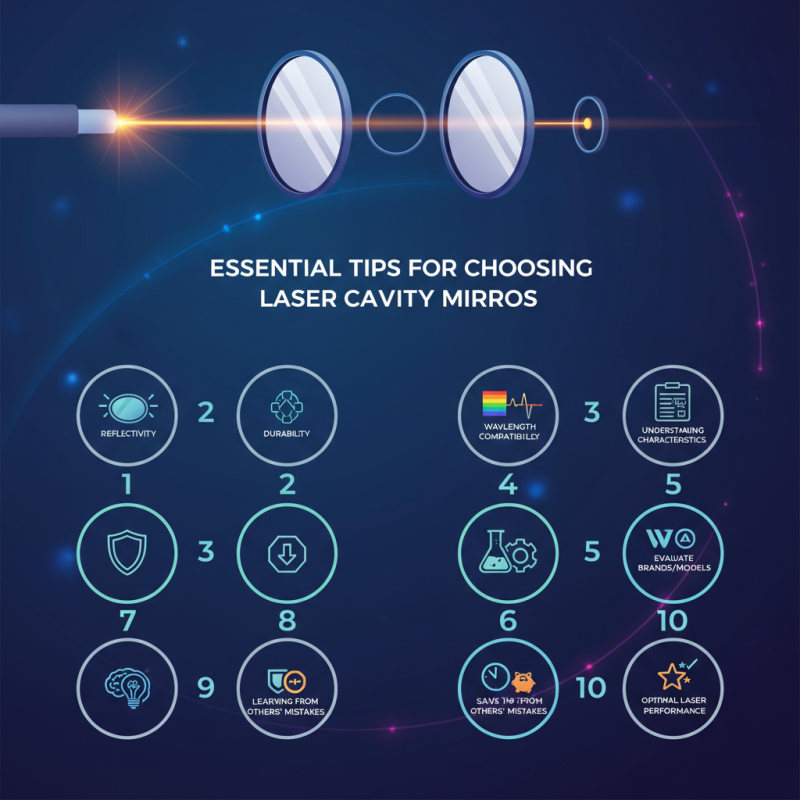
When selecting Laser Cavity Mirrors, the process can be daunting. The right mirror is vital for optimal laser performance. With various options available, each has unique specifications and capabilities. This variability often leads to confusion and missteps that affect efficiency.
Understanding the characteristics of Laser Cavity Mirrors is crucial. Factors like reflectivity, durability, and wavelength compatibility must be considered. It’s not unusual to overlook these details, resulting in less effective mirror choices. Many users realize too late that their selected mirrors do not meet their needs.
Being aware of common pitfalls can guide your decision. Take time to evaluate different brands and models. Testing in real-world scenarios helps reveal the mirror's true performance. Learning from mistakes made by others can also save resources and time in your search for the perfect Laser Cavity Mirrors.
Understanding the Role of Laser Cavity Mirrors in Optical Systems
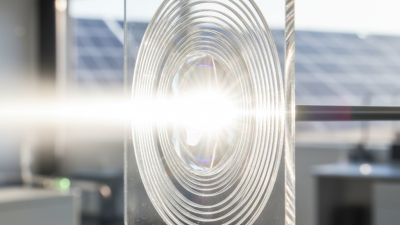
Laser cavity mirrors play a crucial role in optical systems. These mirrors reflect and amplify light within a laser cavity. The design of these mirrors impacts efficiency significantly. They must possess specific features to optimize performance.
The quality of the coatings on the mirrors determines their reflectivity. High reflectivity is essential for efficient laser operation. However, achieving this can be challenging. Sometimes, imperfections in the mirror's surface can lead to light loss. This issue requires careful consideration when selecting mirrors.
Moreover, alignment is critical. Misalignment can degrade performance, causing unwanted beam divergence. It's vital to ensure that mirrors are positioned correctly. Regular maintenance and checks can help identify any alignment issues. Even a small shift can change the output. Selecting the right laser cavity mirrors is not merely a process; it’s an ongoing journey of understanding and refining your optical system.
Key Factors to Consider When Selecting Laser Cavity Mirrors
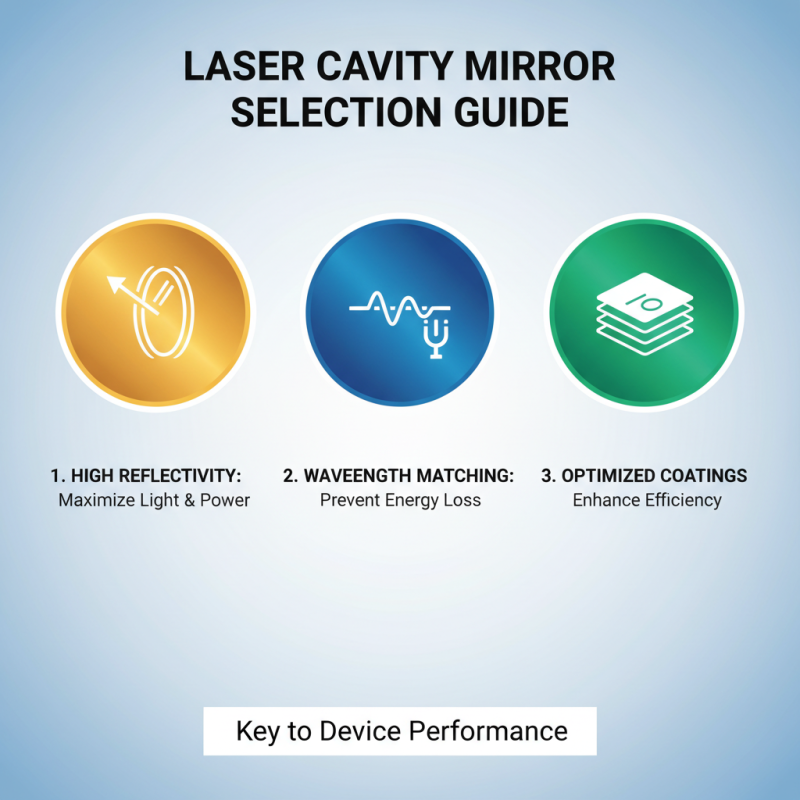
When selecting laser cavity mirrors, several key factors demand attention. The mirror's reflectivity is paramount. High reflectivity ensures maximum light retention. This feature often influences device efficiency and output power. Look for mirrors with coatings that align with your specific wavelength. This detail matters, as mismatched coatings can result in energy loss.
Surface quality is another crucial aspect. A flawless surface minimizes scattering and enhances performance. Inspect the mirror for defects like scratches or pits. These imperfections may seem minor but can significantly impact the beam quality. Additionally, consider the substrate material. It should withstand thermal effects and not warp with heat. Frequent heating and cooling cycles can distort the shape, leading to undesirable results.
Don't overlook the angular tolerance of the mirrors. Small misalignments might spoil performance. Ensure that the mirrors maintain alignment under varying conditions. Your setup might face vibrations; thus, stability becomes essential. Lastly, reflect on whether you’ll require custom mirrors. Sometimes, off-the-shelf solutions may not meet precise demands. Analyze your project's needs carefully before making a decision.
Materials and Coatings for Optimal Laser Cavity Mirror Performance
Choosing the right materials and coatings for laser cavity mirrors is crucial. Both aspects significantly impact performance. High-reflectivity coatings enhance the laser's efficiency. Commonly used materials include glass, quartz, and various metals. Each material has unique properties affecting durability and light transmission.
When evaluating coatings, consider the layer’s thickness. Thicker coatings provide better reflectivity but may introduce issues. Optical interference can occur, affecting beam quality. Striking a balance is essential.
Tip: Always assess the environment of the laser system. Temperature fluctuations can affect mirror performance. Some coatings withstand heat better than others. Ensure that the chosen materials align with operational conditions. A wrong choice here might lead to poor efficiency or failure.
10 Essential Tips for Choosing Laser Cavity Mirrors - Materials and Coatings for Optimal Laser Cavity Mirror Performance
| Tip Number |
Material Type |
Coating Type |
Reflectivity (% |
Thermal Conductivity (W/m·K) |
Optimal Wavelength (nm) |
| 1 |
Zinc Selenide |
AR Coating |
95 |
40 |
1064 |
| 2 |
Silicon |
HR Coating |
99 |
150 |
1550 |
| 3 |
Sapphire |
Dichroic Coating |
97 |
30 |
532 |
| 4 |
Fused Silica |
Broadband Coating |
93 |
1.4 |
400-700 |
| 5 |
Aluminum |
Reflective Coating |
92 |
237 |
750 |
Analyzing the Impact of Mirror Geometry on Laser Beam Quality
When it comes to laser cavity mirrors, geometry plays a crucial role in determining the quality of the laser beam. The curvature of the mirror affects how light behaves within the cavity. A study by the Institute of Laser Technology found that mirror shapes that optimize beam focus can enhance output by 30%. Different geometrical designs, such as concave and flat surfaces, contribute uniquely to beam performance.
Consider a mirror's radius of curvature. A smaller radius can create tighter focusing. However, it can introduce more aberrations, impacting beam quality. Research indicates that this trade-off can lead to a 15% decrease in energy efficiency if not managed carefully. Additionally, the choice of reflective coatings impacts light absorption and loss. A mirror that reflects 99% of the light may not deliver that performance if it isn't appropriately matched to the laser's wavelength.
It’s essential to evaluate the application when selecting mirror geometry. For example, surgical lasers require high beam quality with minimal distortion. In contrast, industrial applications may prioritize durability over precision. Each application demands a unique balance. Reflecting on these factors can significantly enhance the effectiveness of your laser system. Choosing the right geometry is not just a technical decision; it's a systematic process that requires careful thought and testing.
Impact of Mirror Geometry on Laser Beam Quality
Budgeting and Sourcing: Cost-Effective Options for Laser Cavity Mirrors
When selecting laser cavity mirrors, budgeting is crucial. The cost of mirrors can vary widely based on material and design. According to industry reports, high-quality mirrors can range from $100 to over $1,000. This variation often reflects differences in coatings and substrate materials.
For cost-effective options, consider the material type. Often, dielectric mirrors provide superior performance for the price. They can achieve high reflectivity efficiently. This makes them effective yet affordable. It's essential to understand the required specifications first.
Tip: Assess your actual needs carefully. Over-specifying can lead to unnecessary expenses. Another tip is to look for bulk purchasing options. Many suppliers offer discounts for larger orders. Also, remember to account for maintenance costs. Cheaper mirrors may require more frequent replacements, which could increase overall costs. Don’t overlook the potential hidden costs of poor optical performance.